AI Slop: What It Is—and How to Steer Clear of It
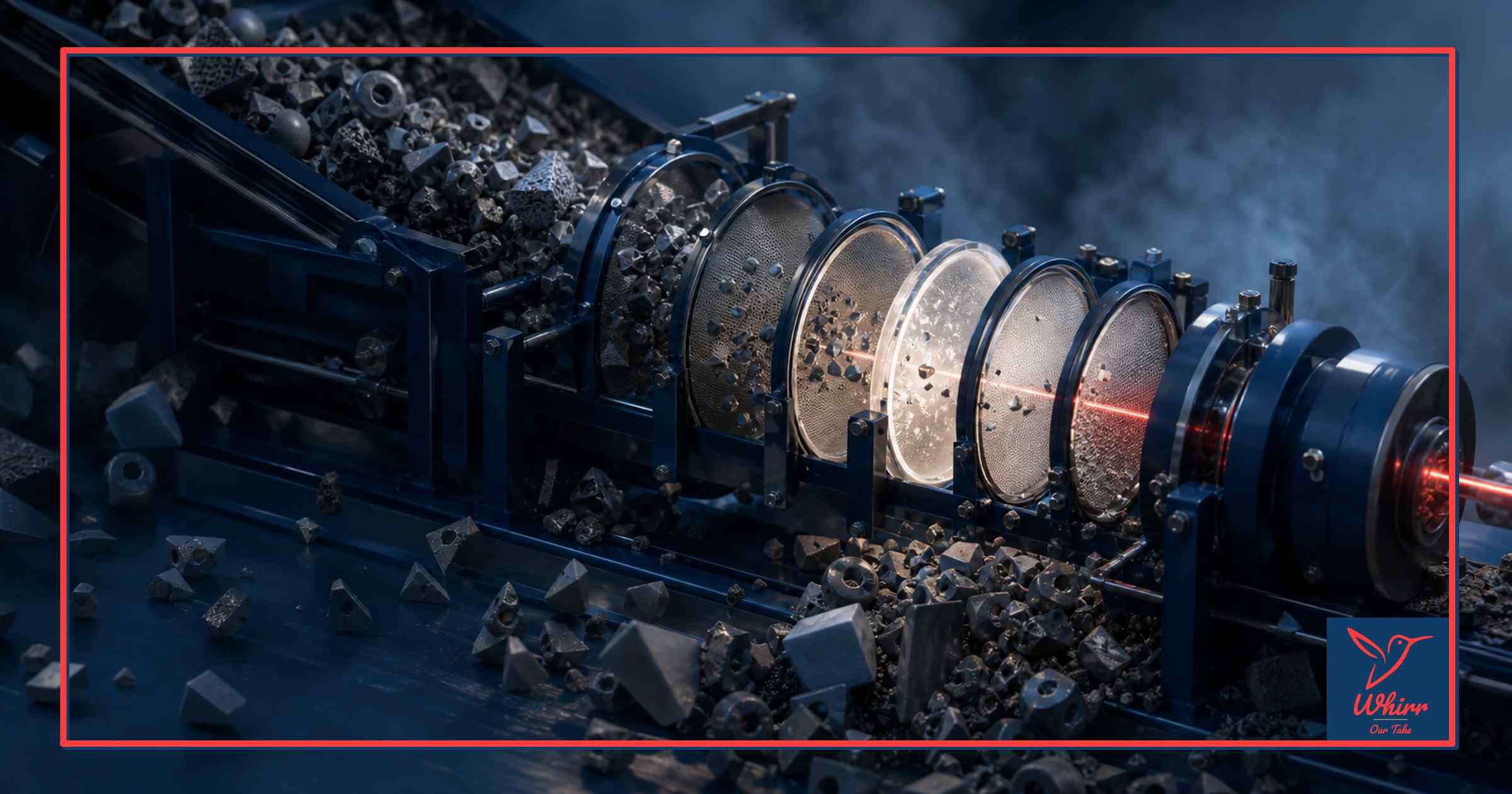
AI slop is easy to recognize at its worst: malformed objects, impossible shadows, broken typography, generic language, false details, and a strange absence of intent.
The more important version is less obvious. It is competent-looking content that says nothing distinctive, cannot be traced to reliable sources, and reaches the audience because nobody paused long enough to challenge it.
AI slop is not caused by one tool. It is produced by a workflow that rewards volume without defining quality.
Begin With a Purpose the Output Must Serve
A vague request such as 'make something engaging' transfers every meaningful decision to the model. The output may look finished while lacking a clear audience, message, role, or standard.
Define this before you generate anything.
Define the communication job, intended viewer, brand behavior, required evidence, and the decision the asset should support before generation begins.
The Whirr POV:
A prompt cannot rescue an assignment that has not decided what the work is for.
✔ Whirr Tip:
Start every generation brief with one sentence: This asset exists to help this audience understand, feel, or do ___.
Use Constraints and References to Protect Distinctiveness
Generic prompts pull toward familiar patterns. Brand systems, approved references, material rules, palette, tone, composition, prohibited elements, and channel context narrow the space toward something intentional.
Constraints are what turn a generic prompt into something intentional.
Generic prompt — infinite possibility
Intentional output
Narrowed by
References should guide a visual grammar without becoming permission to copy another creator’s work.
The Whirr POV:
Creative constraint is not the enemy of AI speed. It is what turns speed into usable direction.
✔ Whirr Tip:
Maintain a generation brief with brand cues, approved examples, banned motifs, rights rules, and technical export requirements.
Curation and Verification Are Production Steps
The first output is a draft. Teams should inspect anatomy, geometry, lighting, typography, factual claims, brand fit, accessibility, cultural implications, and unintended symbols.
Nine things to inspect before a draft becomes a deliverable.
Text and image outputs need different reviewers and failure checks. High-impact claims, public-facing creative, and sensitive subjects require more scrutiny than internal ideation.
The Whirr POV:
Human-in-the-loop means a qualified person making a real quality decision—not approving whatever arrived first.
✔ Whirr Tip:
Create a short rejection checklist and require the reviewer to record why the selected asset passed.
Preserve Provenance and Editorial Accountability
Teams should record tools, source material, material edits, rights considerations, and final approval. Content Credentials can support provenance, but they do not replace judgment or prove that a claim is true.
Provenance isn't proof. Record it anyway.
Teams should record
Transparency becomes more important as generated content becomes harder to detect by appearance alone.
The Whirr POV:
The strongest anti-slop system makes authorship, evidence, transformation, and approval easier to understand.
✔ Whirr Tip:
Store the brief, source links, generation record, selected output, edits, rights review, and approver with the final asset.
A Practical Reset
The four-step process that keeps AI output from becoming slop.

The Whirr Takeaway
AI slop happens when plausible output moves faster than purpose, craft, verification, and accountability.
Define the job. Constrain the visual and verbal system. Curate aggressively. Preserve provenance. AI can accelerate craftsmanship, but only when the workflow still knows what good looks like.